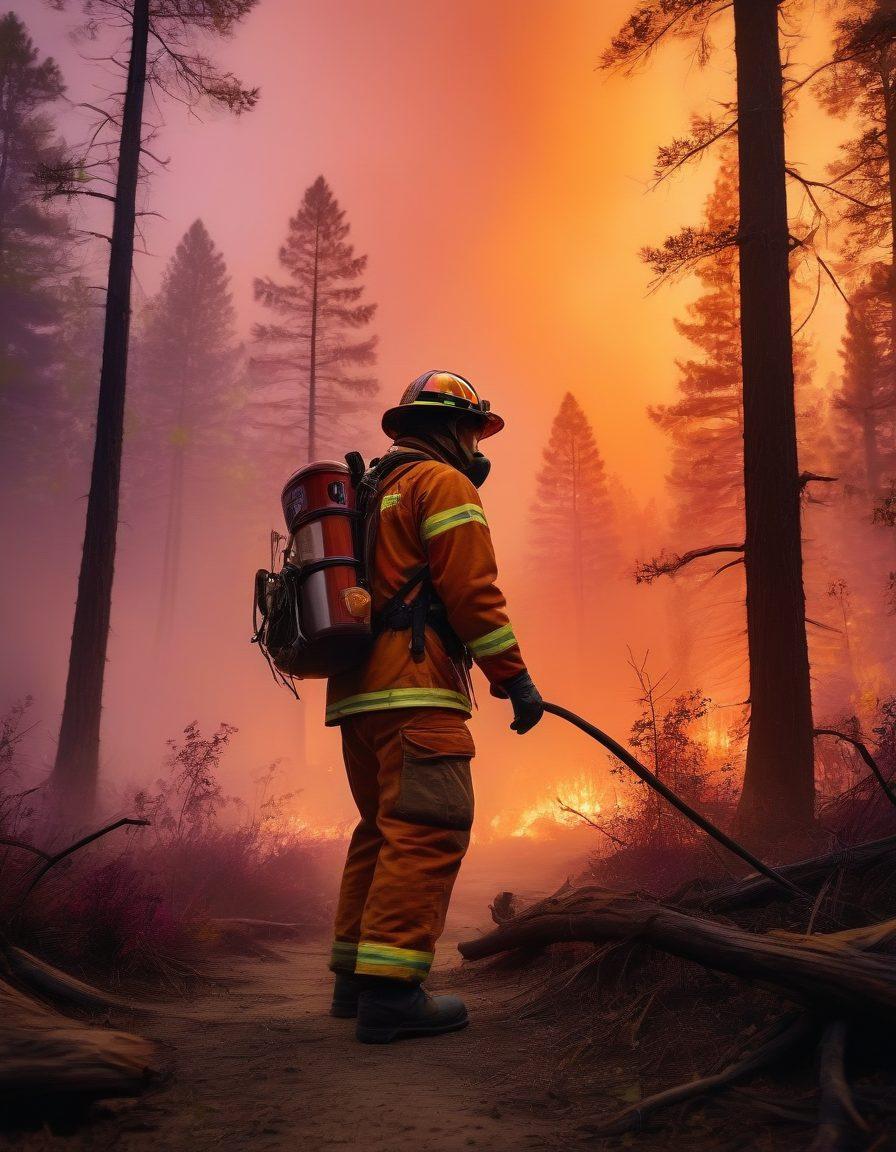
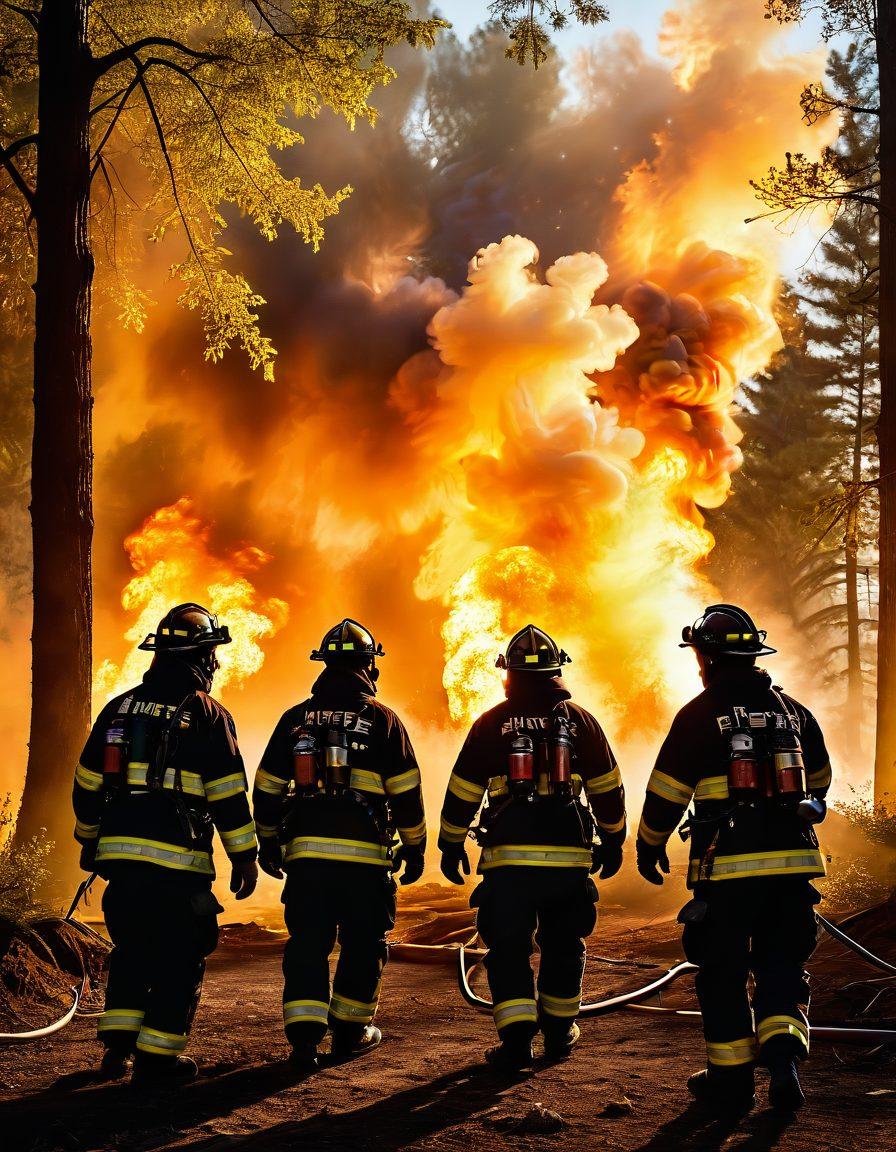
Igniting Awareness: Essential Strategies for Effective Wildfire Prevention and Management
When it comes to wildfire management, the stakes couldn't be higher. Think about it: how many headlines have you read about devastating fires ravaging communities, leaving destruction in their wake? It's alarming, isn’t it? But amongst the smoke and shadows of these catastrophic events, there lies a powerful truth: we can all play a role in wildfire prevention. Collaboration, awareness, and community preparedness are essential strategies that can fuel change and enhance our fire management strategies. This isn't just a fight for the forest; it's a fight for community safety and for the very air we breathe. So, how do we ignite this change?
One of the pivotal players in national efforts to combat wildfires is the National Wildfire Coordinating Group, often referred to as the NWCG. This organization coordinates a variety of initiatives aimed at wildfire prevention and incident management. With their expert-driven approach, they support emergency services, providing critical firefighting resources and wildland fire training. Think of the NWCG as a master conductor, orchestrating a symphony of training programs and best practices that not only benefit firefighters but also empower communities to rally together in the face of the next wildfire. By engaging with their wildfire research and recommendations, we can develop effective fire behavior analysis and proactive prevention tactics that resonate at the local level.
Now, let’s bring it closer to home. How prepared is your community for a wildfire? Are local residents informed about emergency preparedness and disaster response strategies? Engaging your neighbors in discussions about wildfire prevention is vital. Simple actions can make a monumental difference. For instance, hosting community meetings or workshops can create awareness about wildfire policies and cooperative management efforts in place. Sharing stories of lived experiences—perhaps a close call with a wildfire—can spur action and foster a culture of preparedness. After all, as the old saying goes, ‘an ounce of prevention is worth a pound of cure!’
In our quest for solutions, collaboration among community members, local government, and national resources is critical. This cooperation allows for the development of comprehensive fire management plans tailored to the unique challenges of specific regions. Encouraging volunteer programs focused on landscape maintenance and vegetation management can substantially mitigate fire risks. Imagine a neighborhood that supports one another, coordinating efforts to maintain defensible spaces around homes. What if your community invited local firefighters for education sessions, allowing them to share their real-world experiences and knowledge gained through firefighter education? This exchange not only builds trust but fosters lifelong relationships fortified by shared goals and collective safety.
Finally, remember, wildfire awareness doesn't stop at the end of the fire season. It’s a year-round commitment to safety and responsibility. By continually educating ourselves, engaging in community safety initiatives, and advocating for effective fire management strategies, we can all become stewards of our environment. So let me ask you, how can you contribute to fostering a safer, more resilient community in the face of wildfires? The change starts with each of us, and together, through united efforts, we can truly make a difference.
From Research to Action: Innovative Strategies for Effective Wildfire Prevention
Wildfires have become a hot topic—literally and figuratively. With devastating effects on ecosystems, human lives, and property, it’s clear that effective wildfire prevention is more critical now than ever. As we face harsher climate conditions, the need for innovative strategies has skyrocketed. But where do we begin in understanding how to prevent these fiery disasters? From research to action, let’s explore how we can utilize various strategies, driven by experts like the National Wildfire Coordinating Group, to promote community safety.
To ignite awareness and initiate action, we first need to analyze wildfire behavior. Understanding fire dynamics is crucial in crafting effective fire management strategies. This is where wildfire research becomes indispensable. By investigating how fires spread, the types of vegetation involved, and the impact of weather patterns, we can develop targeted wildfire prevention tactics. It’s fascinating to consider—what if our traditional methods could evolve through insights gained from cutting-edge fire behavior analysis?
Once we grasp the science behind wildfires, the next step is education. Firefighter education and training programs help prepare both officials and civilians for what to do when disaster strikes. Emergency preparedness is not just limited to fire departments; it encompasses entire communities. Through cooperative management between local authorities and the public, we can foster a culture of preparedness. Just think—would you know how to react if a wildfire threatened your neighborhood? Having an emergency plan is vital for everyone’s safety.
Moreover, the importance of efficient incident management and accessible firefighting resources cannot be overstated. During a wildfire, seconds count. Swift action can mean the difference between containment and catastrophe. By investing in national resources and ensuring collaboration among emergency services, we boost our overall response capacity. Picture a well-coordinated team responding to a wildfire: they must be practicing regular drills and simulations, transforming their training into actionable disaster response.
Finally, public safety hinges on awareness. Running community workshops on wildfire prevention, enacting strict wildfire policies, and fostering an open dialogue about fire risks are essential components of our response strategy. With current trends showcasing increased fire incidents, what role will you play in advocating for wildfire awareness in your community? It’s time to step up, embrace effective wildfire management strategies, and champion proactive measures in the face of these relentless enemies.
Empowering Communities: Essential Training and Resources for Firefighting Success
Imagine waking up to the crackle of flames and the scent of smoke in the air. Natural disasters like wildfires can ignite suddenly, threatening lives and properties. That's why empowering communities with essential training and resources is not just a precaution—it's a necessity. With the right firefighting resources and community engagement, we can significantly reduce the risks associated with these devastating events. This blog will explore key strategies that the National Wildfire Coordinating Group advocates to ensure that communities are prepared and equipped to handle emergencies effectively. Are you ready to learn how you can make a difference?
In our effort to enhance community safety, we must first acknowledge effective fire management strategies and the role they play in wildfire prevention. It's not just about suppressing fires but about educating communities on fire behavior analysis, prevention tactics, and emergency preparedness. Training programs that focus on wildland fire training help residents understand how to assess their risk and take proactive measures to protect their homes. Imagine knowing how to create defensible space around your property—what peace of mind that could bring!
Have you ever thought about the importance of incident management during a wildfire? Effective disaster response requires not only quick action but collaboration among local emergency services, trained volunteers, and professional firefighters. The National Resources of wildfire research informs these collaborations, allowing them to develop cooperative management plans tailored to the specific needs of a community. By participating in fire education initiatives and programs, residents can turn knowledge into power and become active participants in their community's safety protocols. Wouldn't it be empowering to know that you have the skills to assist in emergency situations?
Engaging local residents in their training can transform a community into a formidable force against wildfires. Think of it as building a fortress together—one where everyone is informed and equipped to face fire risks head-on. As we incorporate wildfire awareness campaigns, we encourage individuals to participate in ongoing education about firefighting resources and local plans. Programs focusing on public safety keep communities informed about current threats and reinforce the necessity of preparedness. What would happen if every resident felt equipped to handle a wildfire threat?
Ultimately, the goal is to foster an informed and proactive community that not only reacts to disasters but prevents them in the first place. A well-prepared community, filled with individuals knowledgeable in firefighting, emergency preparedness, and wildlife policy, champions the cause of fire safety as a collective effort. From workshops to local fire drills, every initiative counts. Together, we can ignite change, keep our families safe, and significantly reduce wildfire risks. Are you ready to be part of this essential movement towards a safer, stronger community?